
Where to keep your cabin
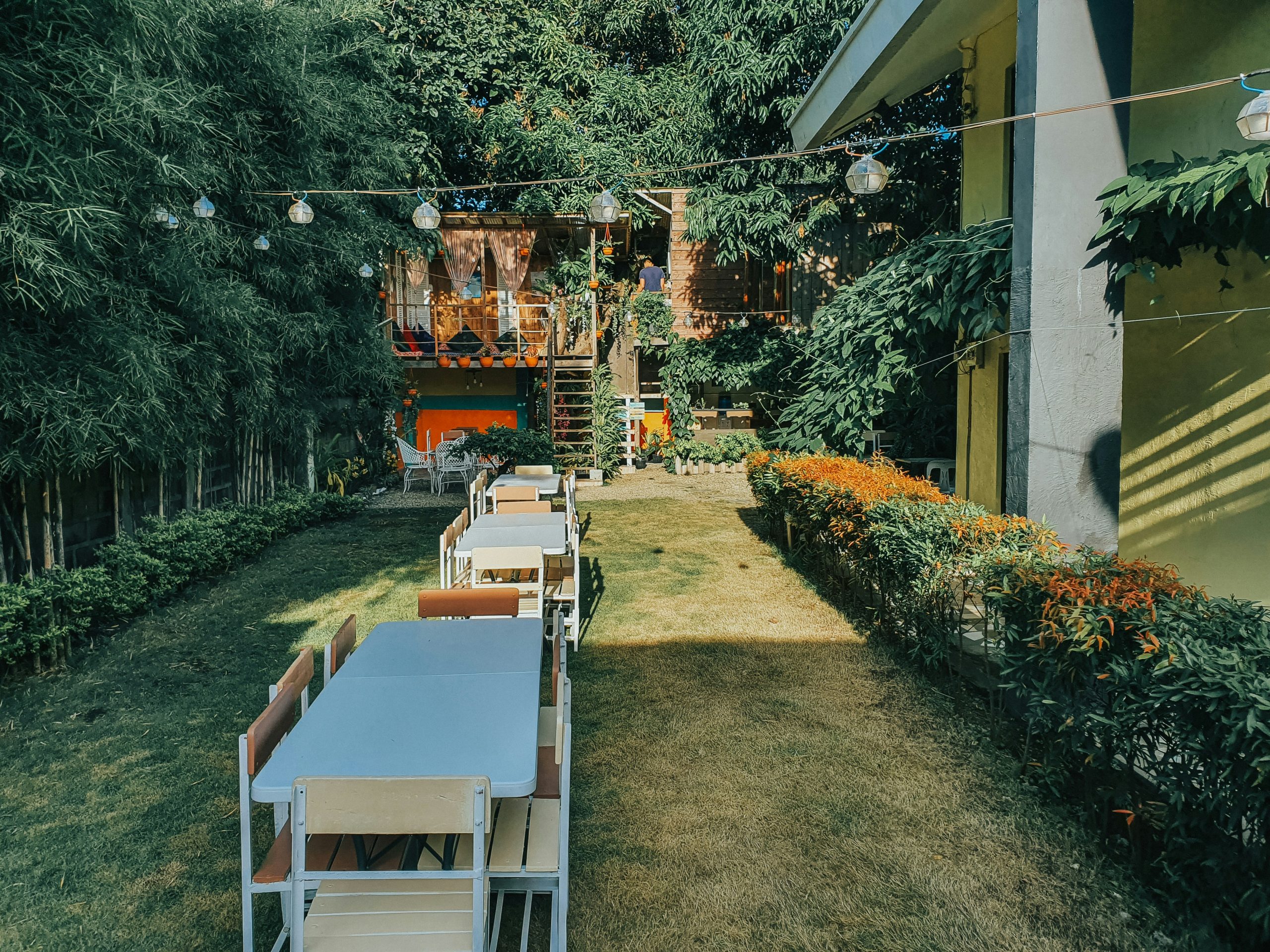
Residential Backyards: Granny Flats, Studios, Offices
Setting up a tiny home cabin in a residential backyard is ideal for those who want extra living space for family, a private studio, or a dedicated work-from-home pod. The major benefit is proximity to the main dwelling, making it accessible for elderly relatives or guests, while also increasing property value and providing flexibility for future use.
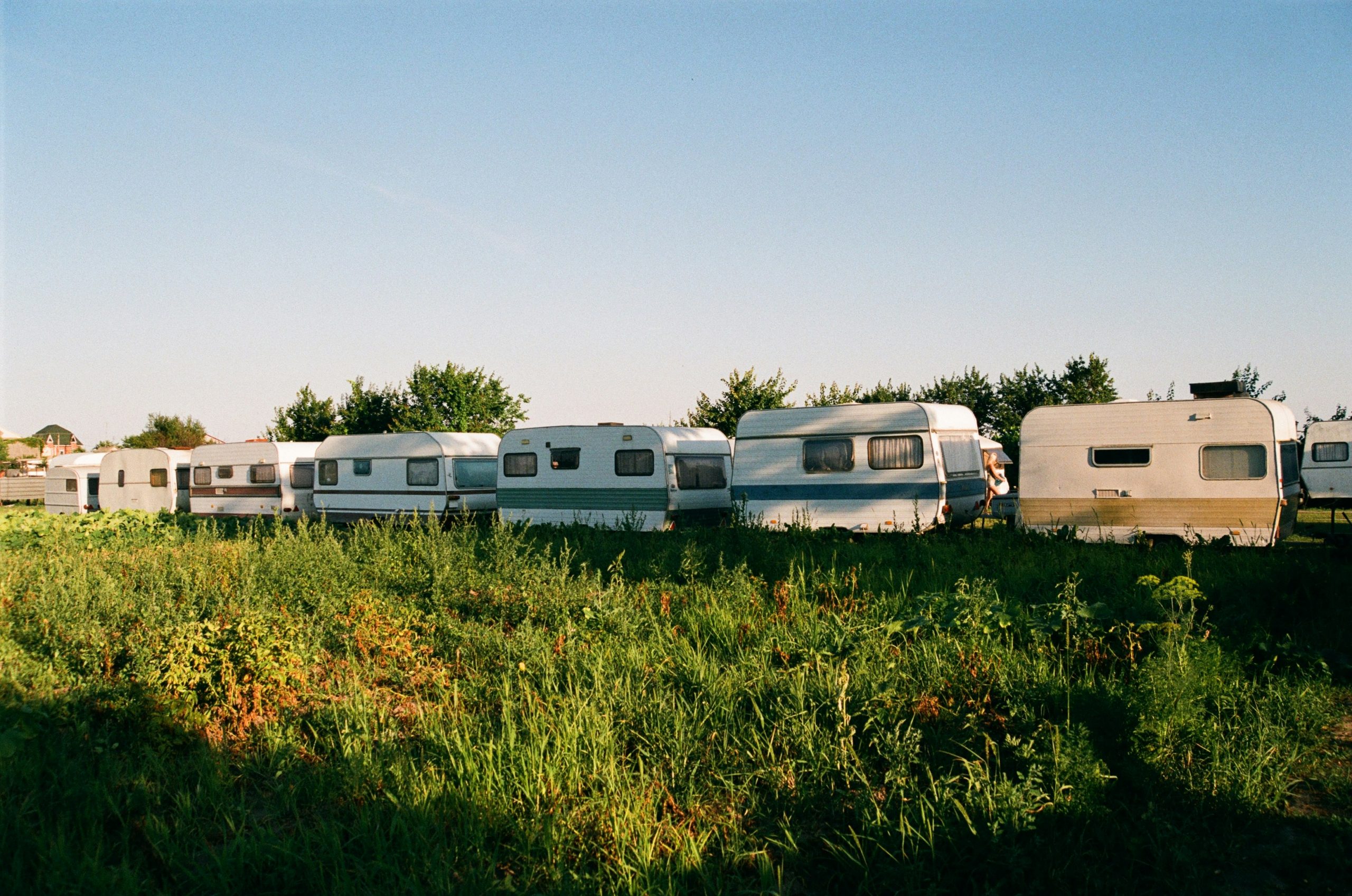
Caravan & Cabin Parks: Tourist Rentals or Short-Term Income
Locating a cabin in established tourist parks harnesses high-traffic areas for short-term letting, appealing to travelers seeking comfortable, cost-effective stays. Benefits include managed amenities, tourism exposure, and a simple setup process thanks to established infrastructure.
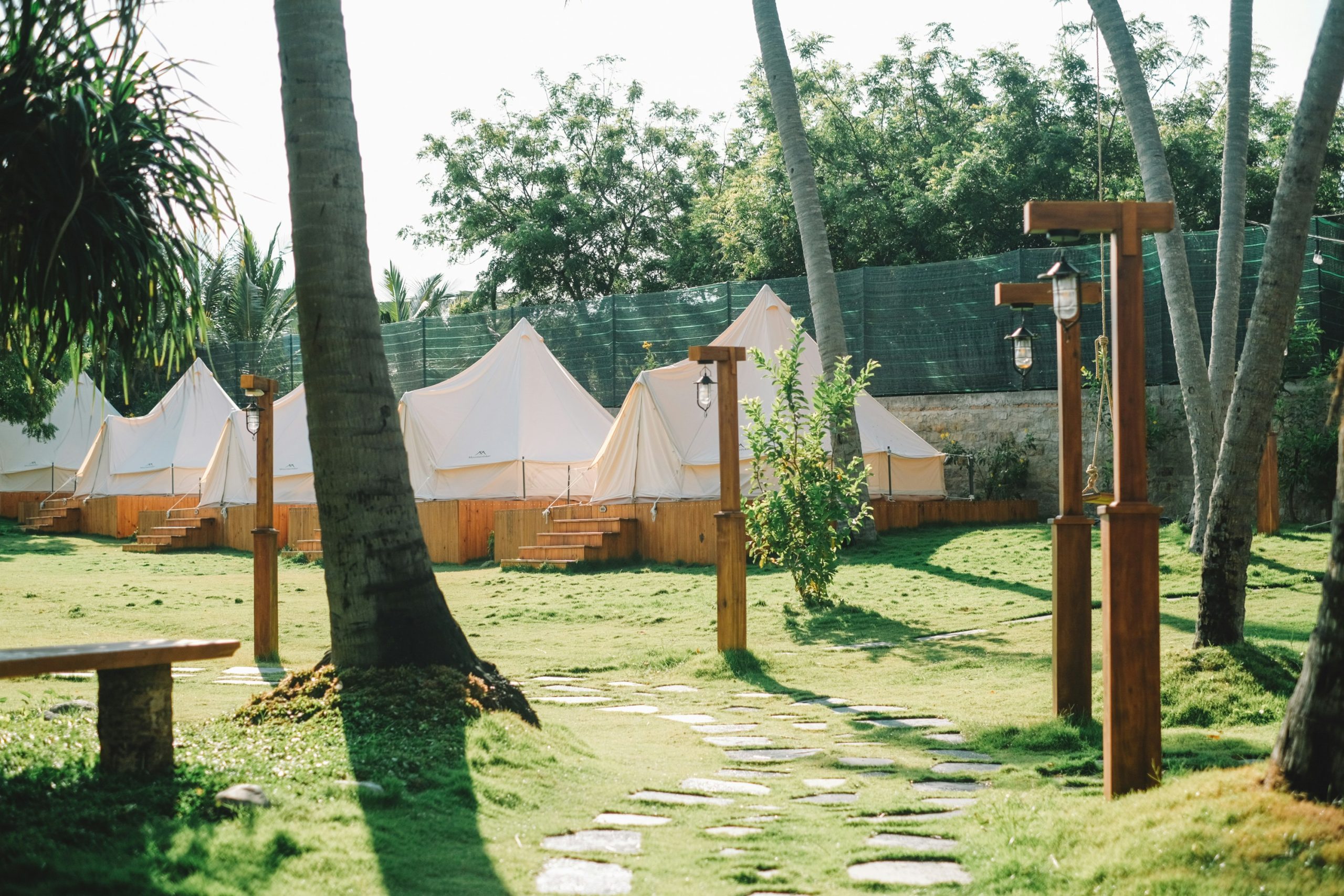
Eco-Villages or Intentional Communities
Tiny house-friendly communities support sustainable lifestyles and strong social connections. Living here promotes resource-sharing, collaborative projects, and access to communal amenities.

Farm Land: Farm-Stay Accommodation or Worker Housing
Positioning a cabin on farmland can create income streams through short-term rentals or provide essential accommodation for seasonal workers. The open space allows for privacy and self-sufficiency, supporting agritourism and helping farmers optimise land use.
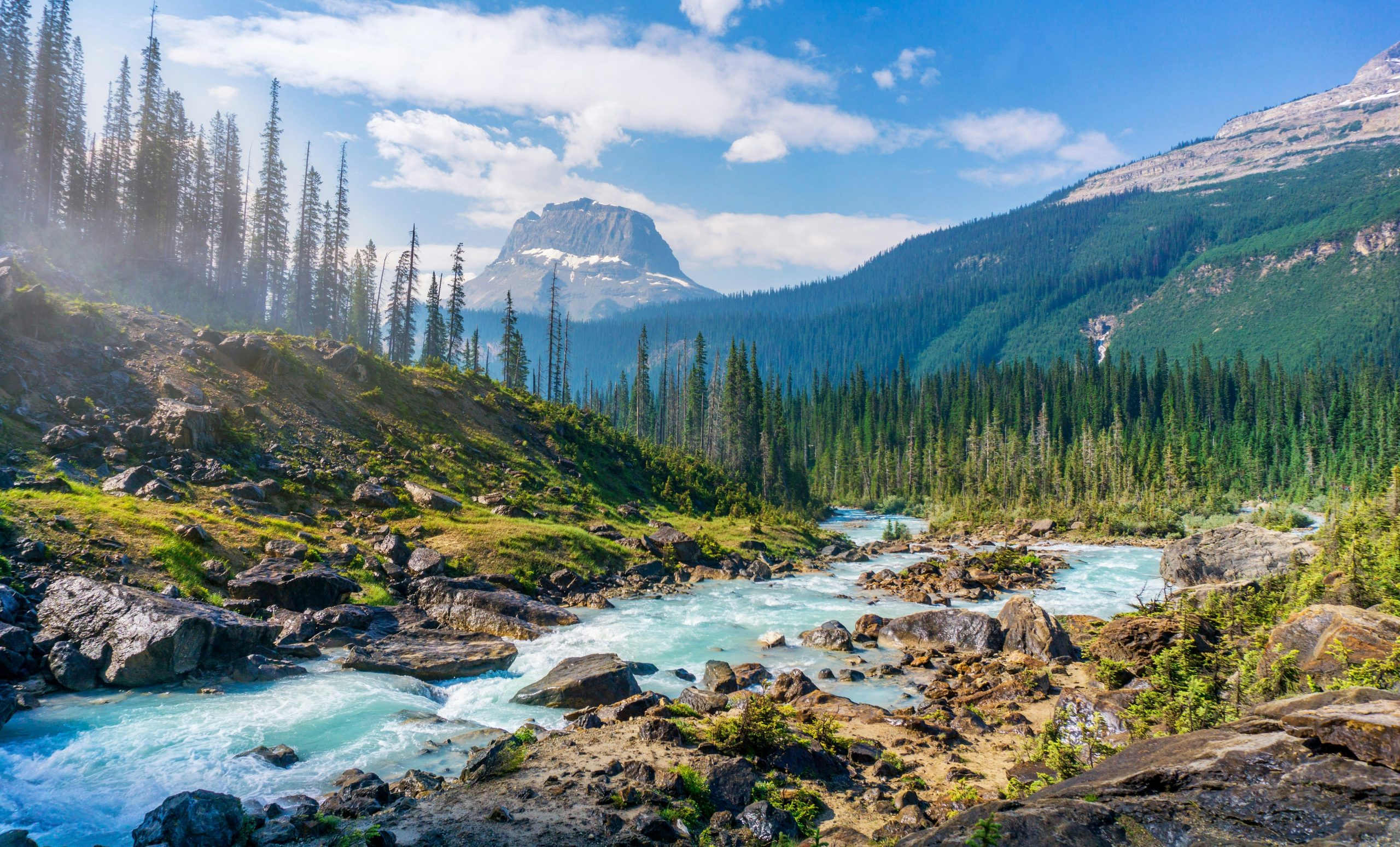
National Parks & Nature Reserves: Nature Escapes
When allowed by park authorities, placing a cabin near protected areas provides easy access to beautiful landscapes and adventure activities. The connection to nature encourages a simple, mindful lifestyle, attracting eco-tourists and nature lovers.
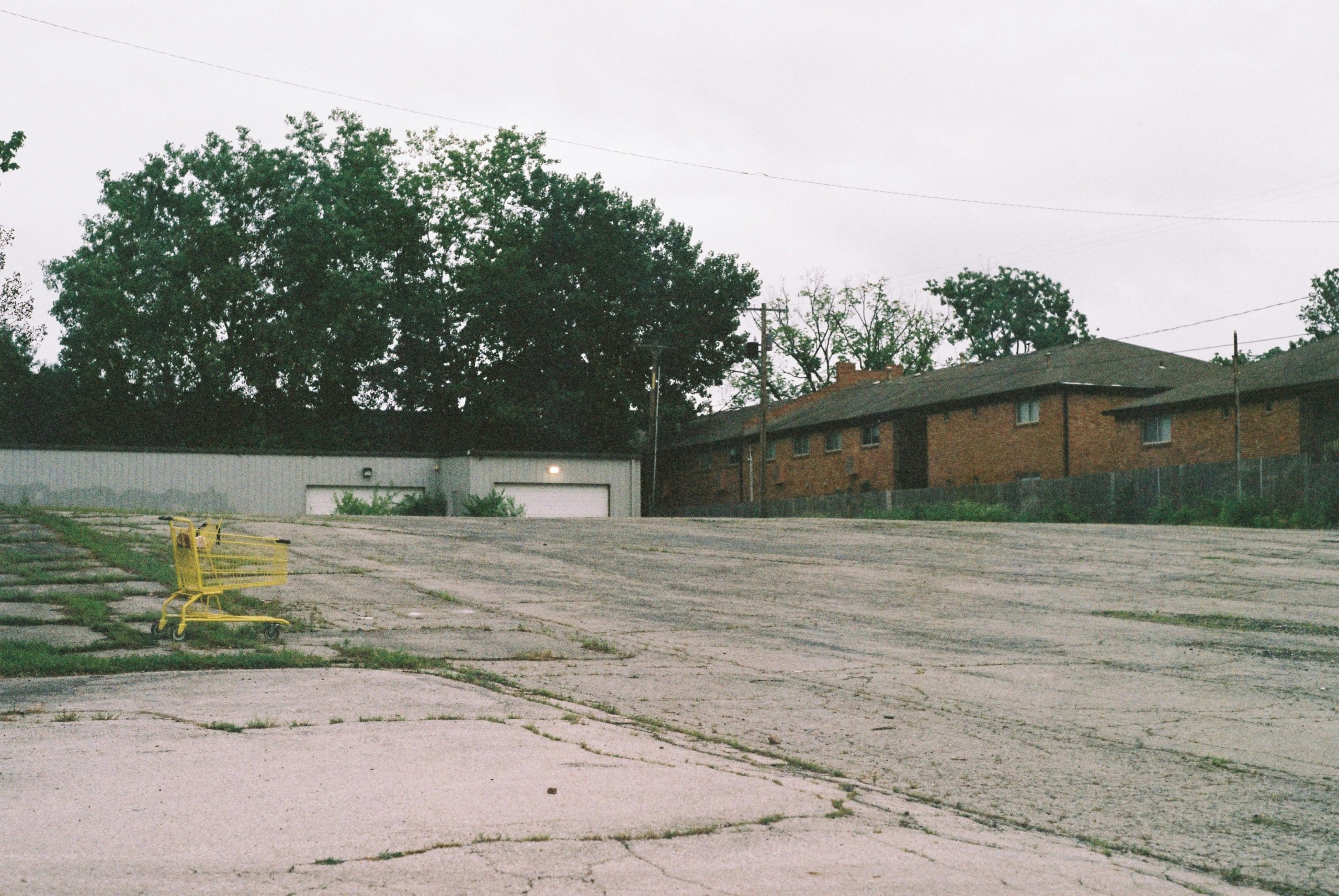
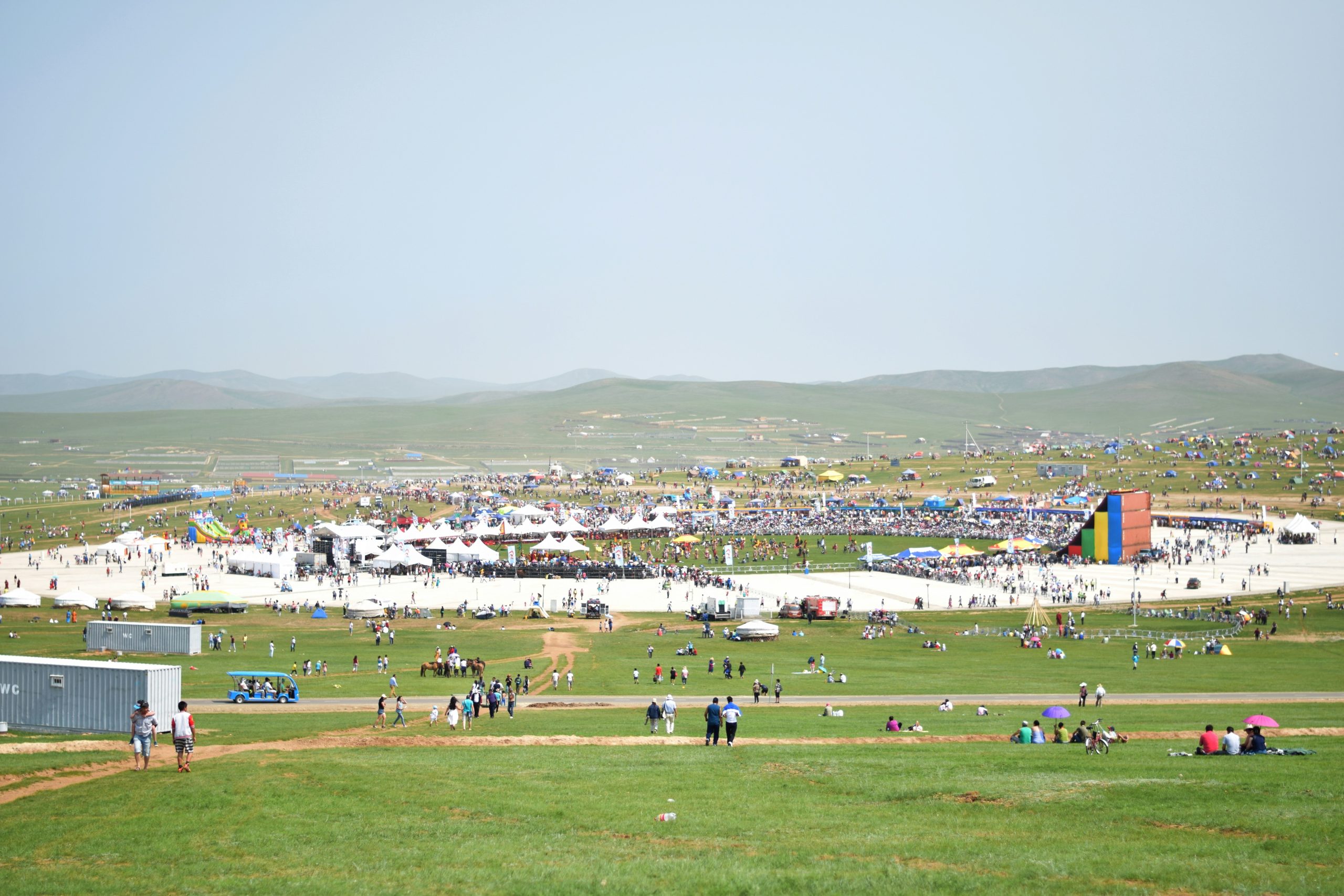
Event Sites: Fair or Festival Accommodation and Offices
Bringing cabins to event locations provides smart accommodation or admin office solutions with minimal set-up time. After events conclude, cabins can be quickly moved to the next venue, offering versatility for large or traveling gatherings.
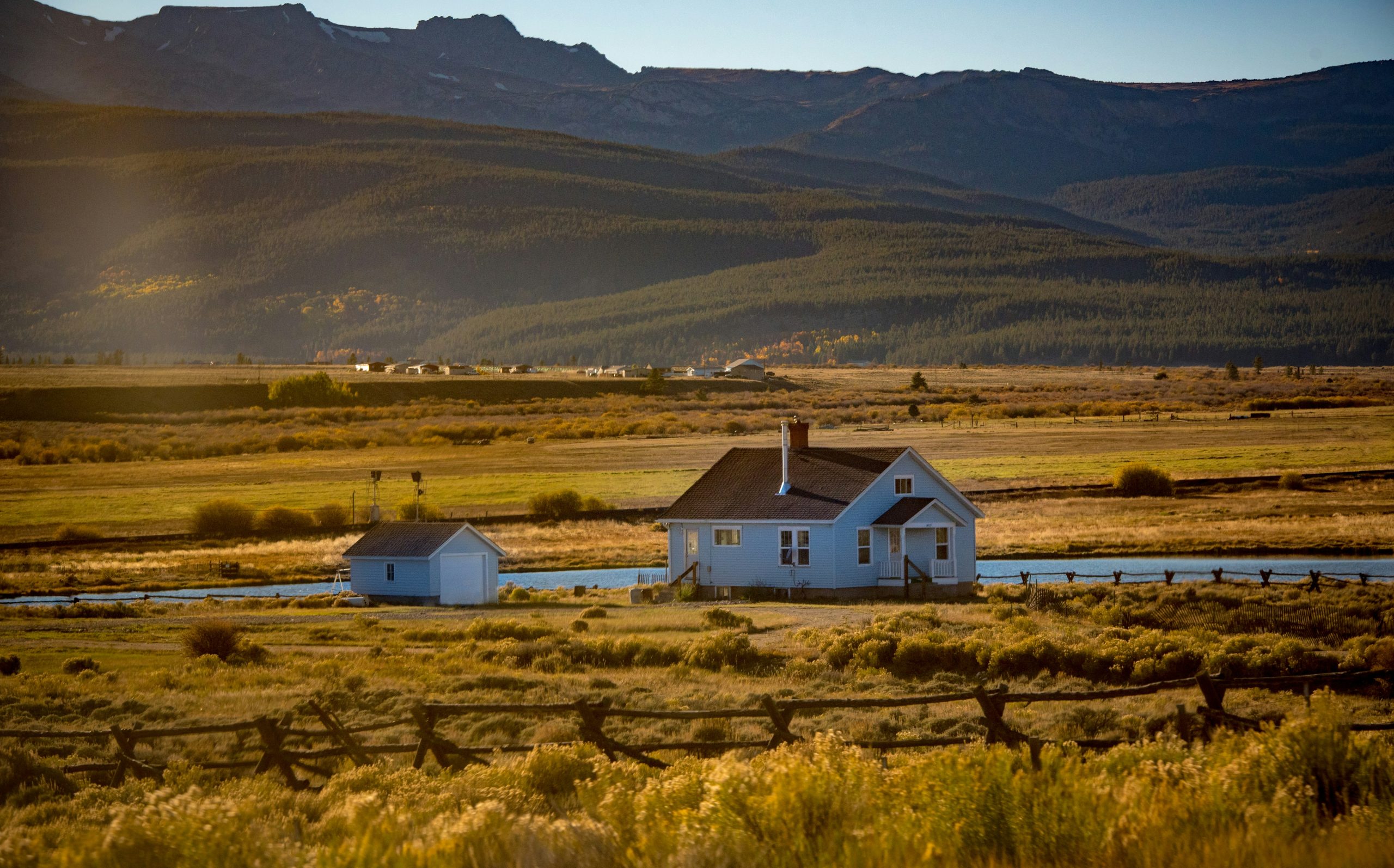
Large Rural Properties: Retreats or Primary Dwellings
Rural properties offer expansive natural settings perfect for retreats or permanent living with unmatched peace and privacy. These locations support off-grid lifestyles and recreational activities, while also enabling the creation of unique guest accommodations.
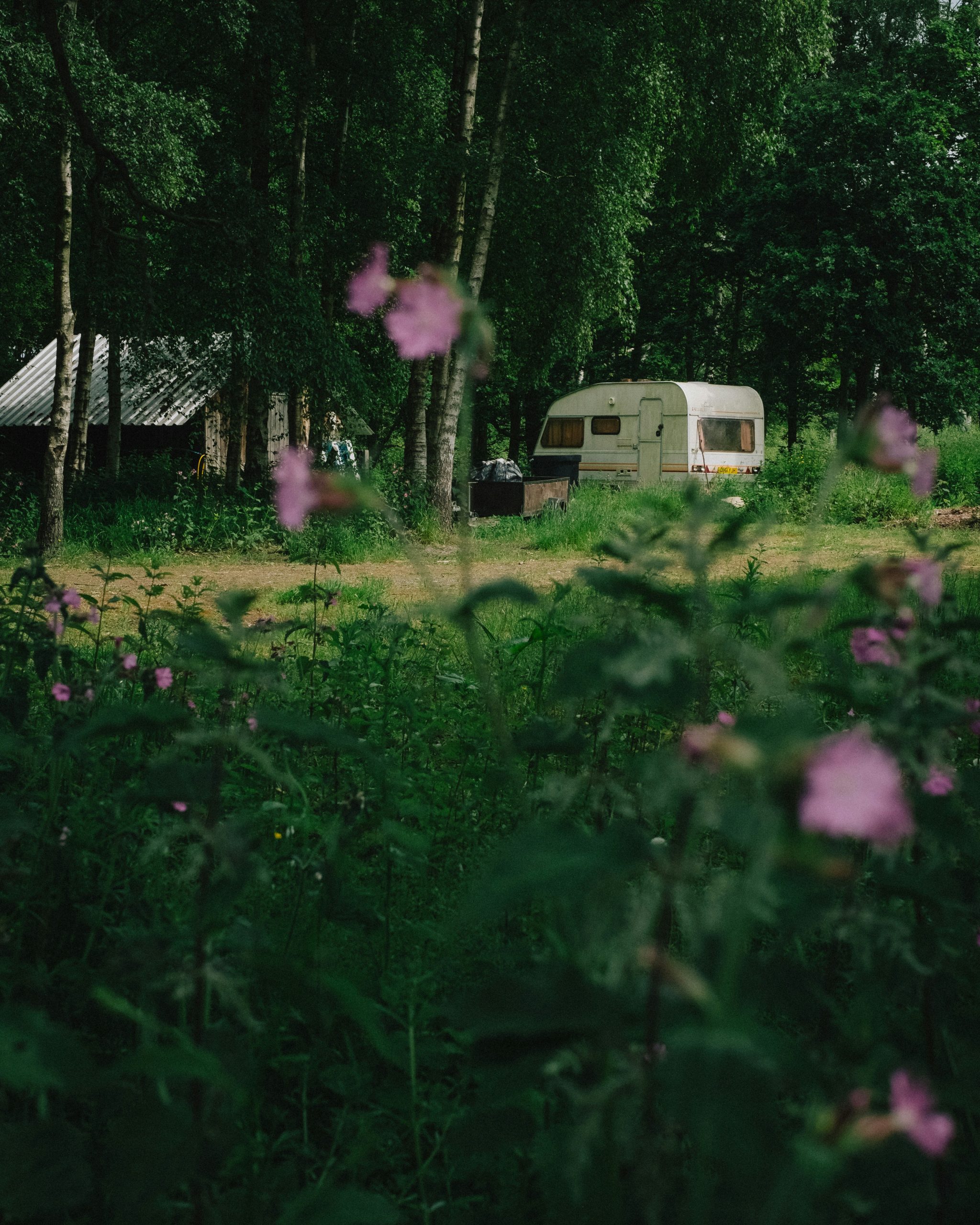
Forest or Bush Blocks: Privacy and Off-Grid Living
This option delivers ultimate privacy and seclusion, ideal for those craving a break from urban life. It also enables off-grid, sustainable living with renewable energy options and immersive woodland views.
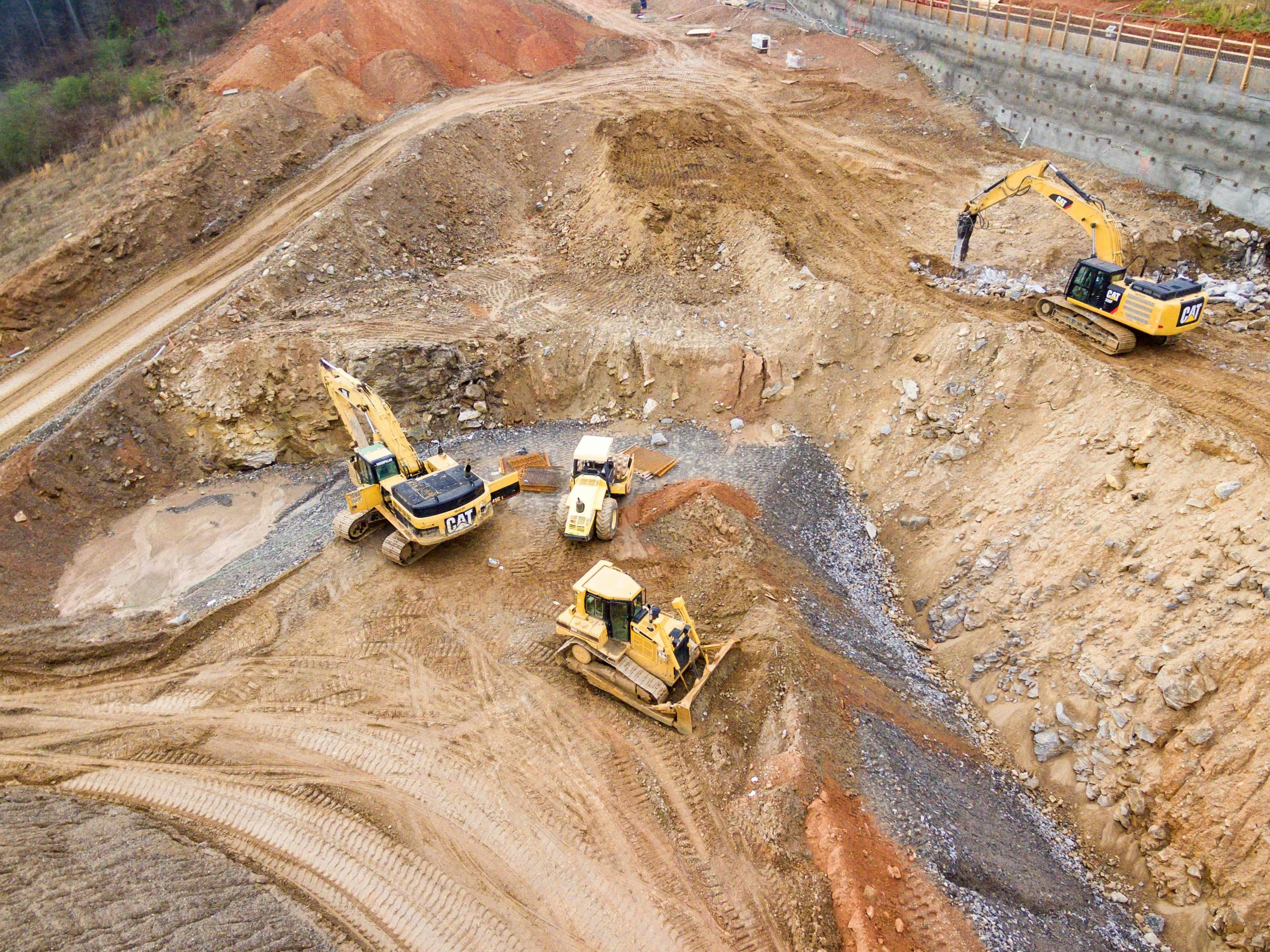
Construction Sites: Staff Accommodation or Offices
On-site cabins are a practical solution for staff accommodation or offices, improving site management and worker well-being during projects. Their mobility enables quick relocation as needs change.
When selecting a location for your tiny home cabin, carefully weigh the following key factors:
Council and Zoning Regulations
Always verify the local council’s requirements and zoning laws, which can differ greatly by state, region, and type of area (urban, suburban, or rural).
Understand if your cabin can be used as a permanent dwelling, as some locations have specific restrictions on use or may consider it temporary accommodation only.
Secure any permits or approvals required for site installation and occupancy, and check for rules concerning the length of stay.
Access to Utilities and Services
Ensure the site has access to essential utilities such as water, electricity, and sewage for both temporary and long-term stays.
For remote or off-grid locations, plan how to source these utilities independently (solar for power, rainwater tanks, composting toilets, etc.), and assess maintenance requirements and potential costs.
Road and Site Accessibility
Choose a location with reliable road access, allowing easy delivery and setup of the cabin and regular movement of supplies or people.
Consider the terrain and availability of driveways or turning space, especially for larger mobile units.
Environmental and Safety Considerations
Assess the location for risks such as flooding, bushfire, landslides, or other natural hazards that could impact safety, insurance, and cabin durability.
Review the soil, drainage, and site slope to ensure the cabin can be safely and stably installed.
Practical Lifestyle Factors
Evaluate proximity to scenic views, local amenities, public transport, emergency facilities, and recreational or community resources.
Consider personal preferences for privacy, outlook, and connection to nature, as well as whether the site supports your preferred lifestyle or activities.
Thoughtful planning around these criteria will help achieve a safe, compliant, and comfortable setup for your tiny home, optimally suited to your unique goals and living style.
Sunrise Build
Want to See Our Showroom?
We’d love to show you around! Book an appointment to explore our beautifully crafted tiny homes and cabins in person.
Visit Us
Sunrise Build Office
34 Creek Street, Drury, Auckland 2113
Opening Hours:
Office: Monday – Friday | 8:30 AM – 5:30 PM
Cabin Viewing: Monday – Friday | 9:00 AM – 5:00 PM
Saturday Viewing: By appointment only
Contact Us
Mobile: 027 3338 336
Reception: 021 021 56688
Email: info@sunrisebuild.co.nz
Want more information or needed a quotation?
Please submit this form to send us a quick enquiry. One of the team will be in touch with you to answer any questions, or arrange a meeting to come in and discuss your preferred options or any customization that you would like to add.
We care about communication, please reach out or submit the form and we will be in touch shortly.
Want to see our show room?
We can make an appointment for you to come and see our cute tiny home or cabins.
Get in touch with us now
Want a direct chat with us at our office?
Our Office: 34 Creek St, Drury, Auckland, 2113
Opening hours: Mon – Fri 8:30 – 17:30
Cabin Viewing: Mon – Fri 9:00 – 17:00
Saturday viewing by appointment only